

Introduction
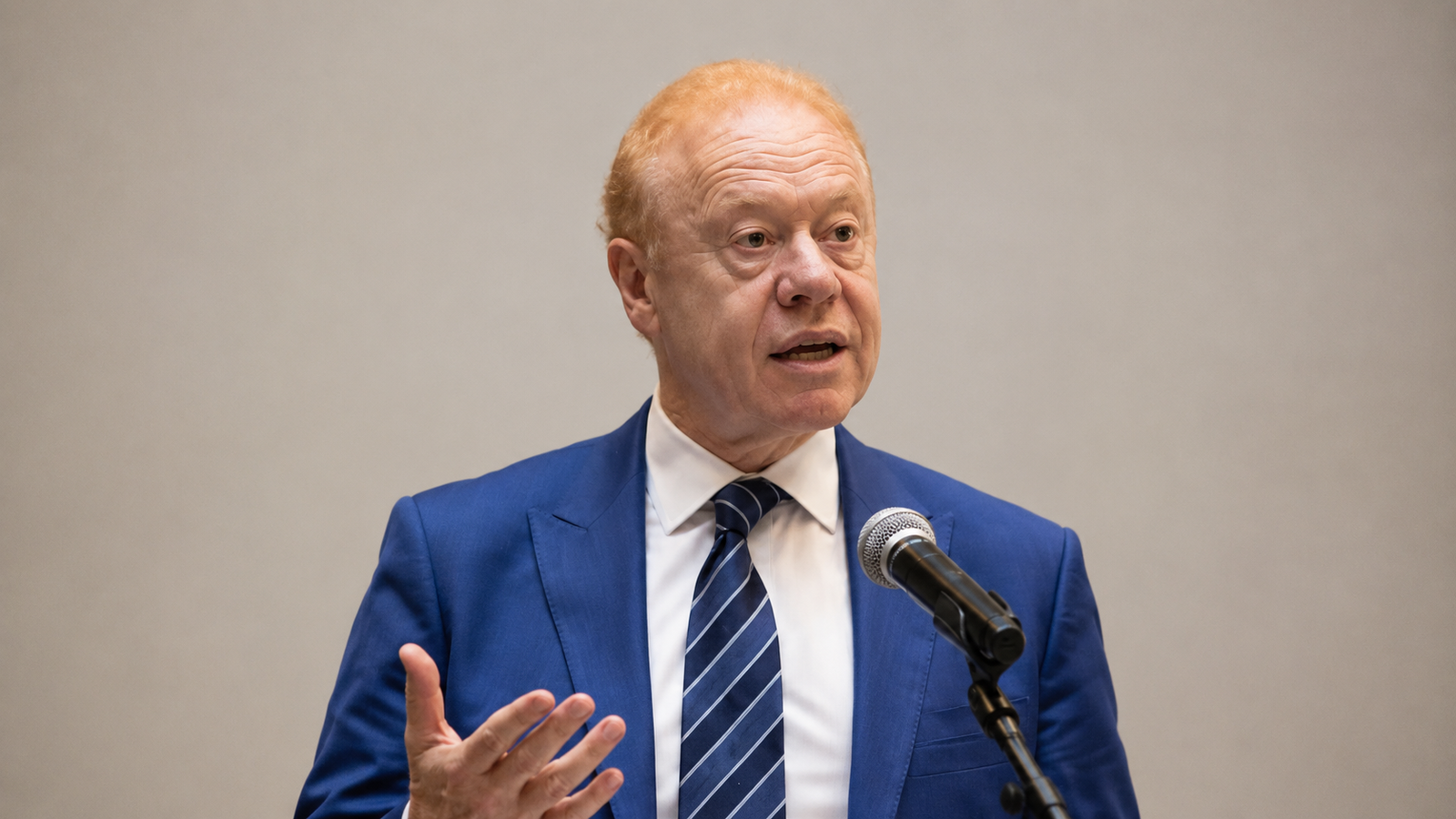
Tony Pratt is widely recognized as a powerful industrial leader associated with one of the world’s largest packaging and recycling empires. He is closely linked to global manufacturing, sustainable packaging innovation, and large-scale industrial expansion across multiple continents. His name is often associated with modern industrial transformation, especially in the recycled paper and corrugated packaging industry.
Over the years, Tony Pratt has become a symbol of business growth driven by sustainability and vertical integration. His influence extends across Australia, the United States, and international markets where packaging demand continues to grow rapidly. He is regarded as a key figure in shaping the modern recycling-based manufacturing economy.
Early Life and Family Background
Tony Pratt was born into a highly influential business family in Melbourne, Australia. His family environment was deeply rooted in industrial development, entrepreneurship, and large-scale commercial operations. From an early age, he was exposed to the workings of manufacturing plants, logistics systems, and corporate decision-making processes.
Growing up in this environment gave him a natural understanding of how large businesses operate. His early exposure to global trade and industrial systems played a crucial role in shaping his future mindset. The foundation of his career was built on discipline, observation, and learning from an established family business empire.
Education and Academic Development
Tony Pratt received his education from some of the most respected academic institutions in Australia. His studies focused on economics and business-related disciplines, helping him develop a strong analytical understanding of markets, finance, and industrial systems. This academic background became essential for his later corporate leadership.
During his academic journey, he also developed an interest in global economic systems and supply chain efficiency. His education provided him with the intellectual tools required to manage large-scale operations and understand international business expansion strategies. This combination of theory and practical exposure shaped his leadership style.
Entry into the Family Business
Tony Pratt entered the family business at a time when the industrial packaging sector was undergoing significant transformation. He began working within established operations that already had strong domestic influence but limited global reach. His early responsibilities involved improving efficiency and exploring expansion opportunities.
As he gained experience, he started focusing on scaling operations beyond Australia. His strategic thinking led him to identify the United States as a key market for growth. This decision marked the beginning of a major phase of international expansion for the Pratt business empire.
Expansion into the United States Market
One of Tony Pratt’s most significant achievements was the expansion of industrial operations into the United States. He played a key role in establishing large-scale manufacturing and recycling facilities that focused on producing packaging materials from recycled paper. This move positioned the company as a major competitor in the American market.
The expansion strategy involved acquiring underperforming facilities and converting them into efficient production plants. This approach not only reduced operational costs but also increased production capacity. Over time, the U.S. operations became one of the most important pillars of the global business structure.
Growth of Pratt Industries
Pratt Industries became one of the most recognized names in the global packaging industry under Tony Pratt’s leadership. The company specializes in recycled packaging solutions, particularly corrugated cardboard and paper-based products. Its business model focuses on sustainability and circular economy principles.
The company expanded rapidly in the United States and became one of the largest privately owned packaging manufacturers in the country. Its growth was driven by innovation, large-scale investment, and a strong focus on environmental responsibility. Pratt Industries continues to play a major role in global recycling systems.
Visy Industries and Global Operations
Visy Industries is another major component of the Pratt business network. It operates as one of the largest privately owned recycling and packaging companies in the world. The company has a strong presence in Australia and international markets, focusing on sustainable manufacturing processes.
Under Tony Pratt’s influence, Visy expanded its capabilities in recycling, logistics, and manufacturing. The company became known for its advanced recycling systems and integrated supply chain operations. This global expansion helped strengthen the overall industrial footprint of the Pratt business empire.
Business Strategy and Leadership Approach
Tony Pratt’s business strategy is centered around long-term industrial growth, vertical integration, and sustainability. He believes in controlling every stage of the production process, from raw material collection to final product distribution. This approach allows for greater efficiency and cost control.
His leadership style also emphasizes innovation and scalability. He focuses on acquiring undervalued assets and transforming them into high-performance industrial facilities. This strategy has allowed him to build one of the most efficient packaging networks in the world.
Sustainability and Environmental Vision
Sustainability is a core principle of Tony Pratt’s business philosophy. His companies are heavily involved in recycling initiatives and environmentally responsible manufacturing. The use of recycled materials is central to his production model.
He has also promoted the idea of a circular economy, where waste materials are continuously reused in production cycles. This approach reduces environmental impact and supports global sustainability goals. His companies are often cited as leaders in green manufacturing practices.
Financial Success and Global Influence
Tony Pratt is considered one of the wealthiest industrial figures in Australia, with a multi-billion-dollar business empire. His wealth is primarily derived from manufacturing, recycling, packaging operations, and global industrial investments.
His financial success is closely tied to the expansion of Pratt Industries and Visy Industries. These companies generate massive annual revenues and employ thousands of people worldwide. His influence extends beyond business into global industrial policy discussions.
Philanthropy and Social Contributions
Tony Pratt is also known for his involvement in philanthropic activities through family-linked foundations. These charitable initiatives focus on education, healthcare, arts, and environmental sustainability. His contributions have supported numerous community development programs.
The philanthropic efforts associated with the Pratt name have had a significant impact on cultural and social development. These initiatives reflect a long-term commitment to giving back to society and supporting global humanitarian causes.
Public Image and Industry Recognition
Tony Pratt is widely recognized in global business circles as a powerful industrial leader. His companies have received recognition for innovation, sustainability, and large-scale manufacturing efficiency. He is often featured in discussions about global recycling leadership.
While he maintains a relatively private personal profile, his business achievements have placed him in the international spotlight. His reputation is built on industrial expansion, operational efficiency, and long-term strategic vision.
Challenges and Business Criticism
Like many global business leaders, Tony Pratt has faced criticism and challenges related to industrial operations and market dominance. Some industry analysts have debated the environmental impact of large-scale manufacturing, even when recycling-based systems are used.
Despite these challenges, his companies continue to grow and adapt to changing global regulations. Continuous innovation and investment in sustainability have helped maintain strong industry positioning even in competitive markets.
Global Industrial Impact
Tony Pratt’s business empire has had a significant impact on global packaging and recycling industries. His companies have introduced large-scale recycling systems that influence supply chains across multiple countries. This has helped reshape how packaging materials are produced and reused.
His influence extends into global sustainability discussions, where his industrial model is often used as an example of circular manufacturing. His work has contributed to the modernization of recycling infrastructure worldwide.
Legacy and Long-Term Influence
Tony Pratt’s legacy is defined by industrial transformation and global expansion. He has played a major role in turning a family business into a multinational industrial powerhouse. His contributions have reshaped packaging and recycling industries across continents.
His long-term influence will likely continue through the global operations of his companies. The systems he helped build remain central to modern recycling and sustainable manufacturing practices, ensuring his lasting impact on global industry.
Conclusion
Tony Pratt represents a modern industrial leader whose influence spans manufacturing, recycling, and global business development. His strategic vision and leadership have transformed traditional packaging industries into advanced, sustainable systems.
Through continuous expansion, innovation, and environmental focus, he has built a business legacy that continues to shape global industrial practices. His story reflects the evolution of modern entrepreneurship in a sustainability-driven world.