

Introduction
The term Cesta Roman is commonly associated with the remarkable road systems developed by the Roman Empire. These roads were among the greatest engineering achievements of the ancient world and played a critical role in connecting vast territories under Roman rule. From military campaigns to trade and communication, Roman roads transformed the way people traveled and interacted across Europe, North Africa, and parts of Asia.
The Roman road network was more than a collection of transportation routes. It represented the organizational power, technological expertise, and strategic vision of the Roman Empire. Even centuries after the fall of Rome, many of these roads continued to influence transportation systems and urban development. The phrase “Cesta Roman” has therefore become linked with the enduring legacy of Roman engineering and infrastructure.
The Origins of Roman Roads
The development of Roman roads began during the early years of the Roman Republic. As Rome expanded its territory, efficient transportation became essential for military movement, governance, and economic growth. The earliest roads were simple pathways connecting nearby settlements, but they gradually evolved into sophisticated transportation networks.
Roman leaders quickly recognized that maintaining control over distant territories required reliable routes for soldiers, messengers, and supplies. This necessity drove the construction of durable roads that could withstand heavy use and adverse weather conditions. Over time, the Roman road system expanded into one of the largest infrastructure projects in ancient history.
Why Roman Roads Were Built
Military strategy was one of the primary reasons behind the construction of Roman roads. Armies needed to move quickly between regions to defend borders, suppress rebellions, and expand Roman influence. Roads allowed troops to travel efficiently while ensuring that supplies could reach distant military outposts.
Economic considerations also played a major role. Trade flourished when merchants could transport goods safely and efficiently across long distances. Roman roads connected agricultural regions, mining centers, ports, and major cities, creating a thriving economic network that benefited both local communities and the imperial government.
Engineering Excellence Behind Cesta Roman
Roman engineers were renowned for their ability to design roads that lasted for centuries. They carefully selected routes, taking into account terrain, drainage, and strategic importance. Roads were often built in straight lines whenever possible, reducing travel time and demonstrating Roman authority over the landscape.
The construction process involved multiple layers of materials. Builders began with a solid foundation, followed by layers of stones, gravel, and paving materials. This layered approach provided stability and durability. Proper drainage systems prevented water accumulation, helping roads remain functional even during heavy rainfall.
Materials Used in Roman Road Construction
Roman roads were constructed using locally available materials whenever possible. Large stones formed the base layer, while smaller stones and gravel filled gaps and created stability. In some regions, volcanic materials provided additional strength and durability.
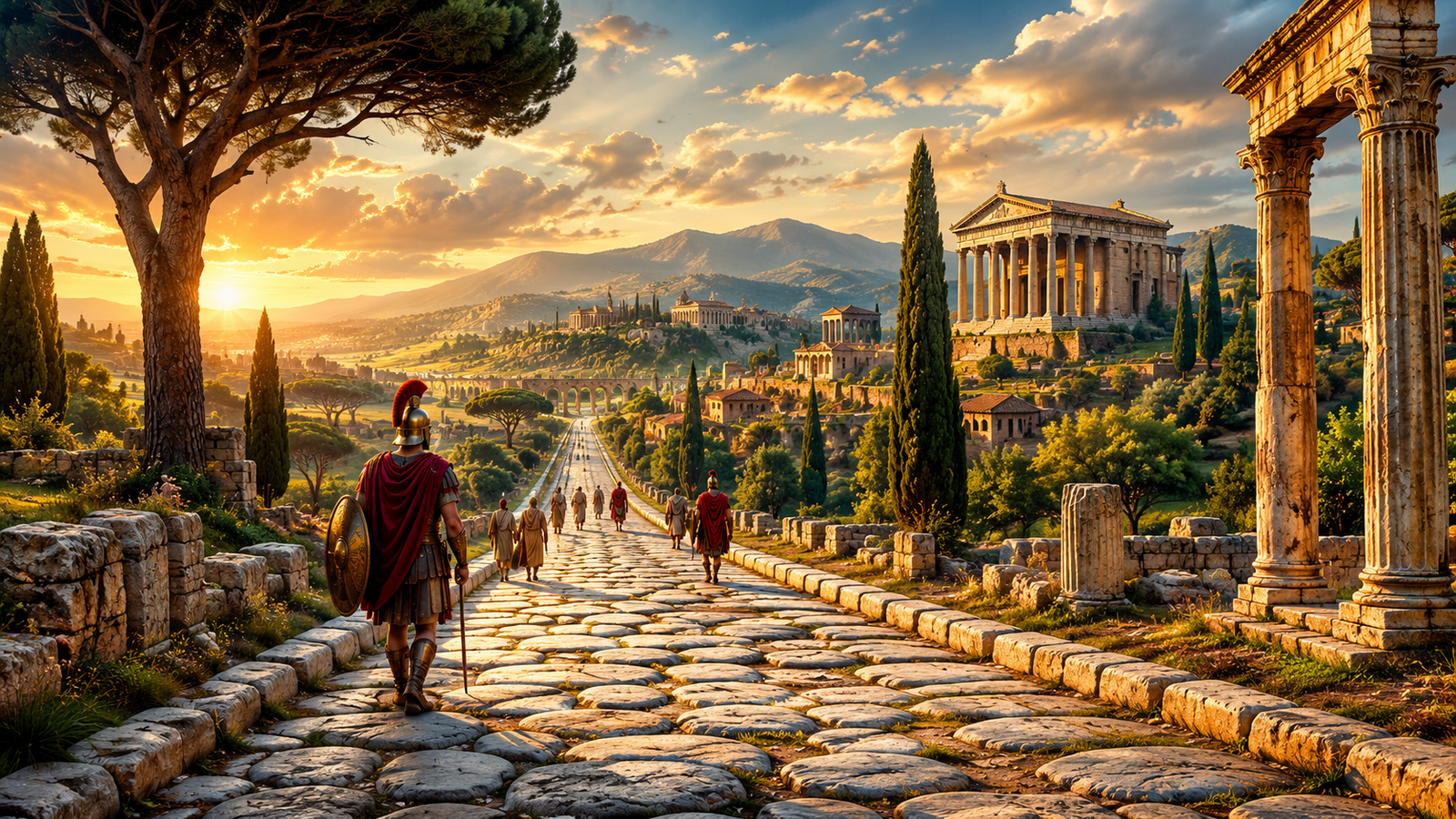
The surface of many Roman roads consisted of tightly fitted stone slabs. These stones created a relatively smooth traveling surface compared to other roads of the era. The use of quality materials contributed significantly to the longevity of Roman infrastructure, with some sections remaining visible today.
The Famous Roman Road Network
The Roman Empire developed thousands of miles of roads connecting major cities, military forts, and commercial centers. These routes formed a vast transportation network that facilitated communication across the empire. Travelers could move between regions more efficiently than ever before.
Among the most famous Roman roads was the Appian Way, often referred to as the “Queen of Roads.” This route connected Rome to southern Italy and played a crucial role in military and commercial activities. Similar roads spread throughout Europe, North Africa, and the Middle East, creating an interconnected imperial system.
Roman Roads and Military Success
The effectiveness of Roman armies was closely tied to the quality of their roads. Soldiers could march quickly across great distances, allowing Rome to respond rapidly to threats and opportunities. Military commanders relied on these roads to coordinate campaigns and maintain control over conquered territories.
Roads also simplified the transportation of weapons, food, and equipment. Supply lines became more reliable, reducing logistical challenges during military operations. This infrastructure advantage helped Rome establish and maintain dominance over a vast empire for centuries.
Economic Impact of the Roman Road System
Trade expanded dramatically as Roman roads improved transportation efficiency. Merchants could travel between markets with greater speed and reliability, increasing the flow of goods throughout the empire. Agricultural products, metals, textiles, and luxury items moved along these routes.
The road network also encouraged urban growth. Cities located near major roads often became centers of commerce and administration. Economic activity flourished in these regions, contributing to the prosperity and stability of the Roman Empire.
Communication and Administration
Efficient communication was essential for governing a vast empire. Roman roads enabled officials, messengers, and couriers to travel quickly between provinces and the capital. Government orders, military reports, and administrative information could be transmitted more effectively.
This improved communication strengthened central authority and facilitated coordination across distant territories. Roads helped create a sense of unity within the empire by connecting diverse regions under a shared administrative system.
Roman Road Design Principles
One of the defining characteristics of Roman roads was their emphasis on straight routes. Engineers often chose direct paths rather than winding around obstacles, even if this required significant construction efforts. This approach reduced travel times and demonstrated engineering confidence.
Another important principle was durability. Roman builders focused on creating roads capable of lasting for generations. Careful planning, high-quality materials, and effective drainage systems ensured that many roads remained functional long after their construction.
Milestones and Road Markers
Roman roads featured milestones placed at regular intervals. These stone markers provided information about distances and often included details about the rulers responsible for construction or maintenance. Travelers relied on milestones for navigation and journey planning.
Road markers also reinforced Roman authority. They served as visible reminders of government involvement in infrastructure development. The widespread use of milestones reflected the organizational sophistication of the Roman transportation system.
Bridges and Supporting Infrastructure
Roman engineers constructed numerous bridges to support their road network. These structures allowed roads to cross rivers and valleys while maintaining efficient travel routes. Many Roman bridges showcased advanced engineering techniques and impressive architectural design.
Supporting infrastructure extended beyond bridges. Inns, rest stations, and maintenance facilities were often located along major routes. These amenities improved travel conditions and contributed to the effectiveness of the transportation system.
The Role of Roman Roads in Cultural Exchange
Roman roads facilitated more than military and economic activities. They also encouraged cultural exchange among different regions. Travelers, scholars, artists, and merchants carried ideas, languages, traditions, and technologies across the empire.
This movement of people and knowledge contributed to the spread of Roman culture while also exposing Rome to influences from conquered territories. The road network played a significant role in shaping the cultural diversity of the ancient world.
Influence on Modern Transportation
Many modern roads follow routes originally established by Roman engineers. The strategic planning and construction principles used in ancient times continue to influence contemporary transportation systems. Roman concepts of road maintenance, route selection, and infrastructure development remain relevant today.
Urban planners and engineers frequently study Roman road systems as examples of long-term infrastructure success. The durability and effectiveness of these roads demonstrate the value of thoughtful design and quality construction.
Archaeological Discoveries Related to Cesta Roman
Archaeologists continue to uncover sections of Roman roads across Europe, North Africa, and the Middle East. These discoveries provide valuable insights into ancient engineering methods, trade networks, and daily life within the Roman Empire.
Excavated roads often reveal remarkable preservation despite centuries of use and environmental exposure. Such findings highlight the exceptional craftsmanship of Roman builders and contribute to our understanding of ancient civilizations.
Preservation of Roman Roads
Many governments and heritage organizations work to preserve surviving Roman roads as important cultural landmarks. Restoration efforts help protect these historical structures from environmental damage and urban development pressures.
Preserved Roman roads attract tourists, historians, and researchers from around the world. They serve as tangible reminders of the engineering achievements that helped shape Western civilization and continue to inspire admiration today.
The Enduring Legacy of Roman Engineering
The success of Roman roads reflects the broader achievements of Roman engineering. From aqueducts and bridges to public buildings and transportation networks, Roman innovations demonstrated an extraordinary understanding of construction and infrastructure management.
Modern societies continue to benefit from principles first developed by Roman engineers. Their emphasis on durability, efficiency, and strategic planning remains relevant in contemporary infrastructure projects around the globe.
Conclusion
Cesta Roman symbolizes one of the most impressive infrastructure accomplishments in human history. The Roman road network connected vast territories, facilitated trade and communication, strengthened military power, and encouraged cultural exchange. These roads played a fundamental role in the growth and stability of the Roman Empire.
The legacy of Roman roads extends far beyond antiquity. Their engineering principles continue to influence modern transportation systems, while surviving road sections provide valuable insights into ancient innovation. The story of Cesta Roman remains a testament to the enduring impact of thoughtful design, skilled craftsmanship, and visionary infrastructure development.