

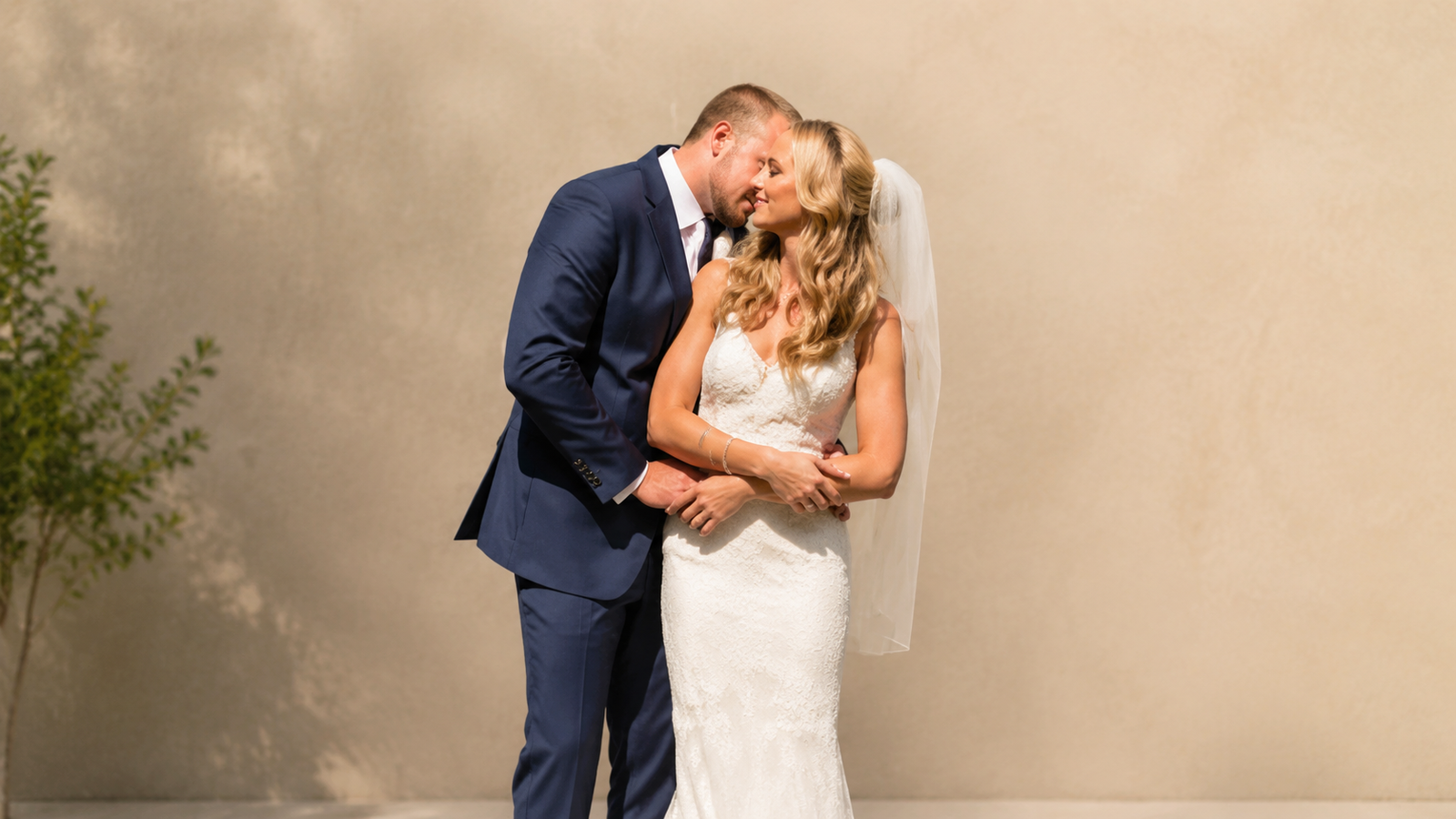
Stephanie Hurt is widely recognized as the spouse of Charles Hurt, a prominent American journalist and opinion editor for The Washington Times. While her husband enjoys significant visibility in media circles, Stephanie has maintained a private lifestyle, deliberately avoiding public appearances and media exposure. Her discretion has contributed to an aura of mystery, prompting curiosity among the public and online audiences. Search terms such as “heartbroken Stephanie Hurt wife of Charles Hurt” have circulated online, although these often reflect speculation rather than verified events. Understanding her life requires careful differentiation between factual information and sensationalized narratives.
Despite the online attention, very little factual information exists about Stephanie Hurt’s personal activities, professional background, or public engagements. She is known primarily through her association with Charles Hurt and is identified as the mother of three children. Her commitment to privacy emphasizes a conscious effort to protect her family from the scrutiny that often accompanies media prominence. While the public is naturally interested in her life due to her husband’s high-profile career, Stephanie’s story demonstrates the choices private individuals make to remain out of the spotlight.
The Public Life of Charles Hurt
Charles “Charlie” Hurt has built a career as a journalist, commentator, and political analyst with decades of experience in major American media. He serves as an editor for The Washington Times and frequently contributes opinion pieces to other national publications. Charlie Hurt is also known for his appearances on television programs such as Fox & Friends Weekend, where he provides commentary on political issues and current events. His professional visibility inevitably generates interest in his family, including his spouse, Stephanie, and their children.
The public nature of Charlie Hurt’s work often casts a spotlight on those around him. His family life becomes a subject of speculation simply due to the high visibility of his journalism and political commentary. This dynamic is common among public figures whose personal lives are sought after by audiences and media outlets. However, despite the attention, Stephanie Hurt has successfully maintained her privacy, resisting exposure and the type of media scrutiny that her husband faces regularly.
Quick bio
| Attribute | Details |
|---|---|
| Full Name | Stephanie Hurt |
| Spouse | Charles “Charlie” Hurt |
| Children | Three |
| Residence | Washington, D.C., USA |
| Public Profile | Very low; avoids media exposure |
| Known For | Being the wife of journalist Charles Hurt |
| Privacy Status | Maintains a private lifestyle, not publicly active |
| Notable Public Mentions | Appears in search queries as “heartbroken Stephanie Hurt” (unverified, clickbait) |
| Family Role | Private mother and spouse supporting a public figure |
| Media Interaction | Minimal; has no known interviews or public appearances |
Stephanie Hurt: A Private Partner
Stephanie Hurt’s private life is intentionally shielded from media attention, reflecting her preference to remain out of public scrutiny. Married to Charles Hurt, she is a mother of three children and resides with her family in Washington, D.C., near the heart of the political and media landscape. Her low-profile approach allows her to maintain a sense of normalcy, focusing on family life and personal commitments rather than public engagement. The distinction between her public and private spheres highlights the challenges faced by spouses of public figures.
Stephanie’s choice to remain private also reflects broader patterns among individuals connected to high-profile personalities. While her husband’s opinions and commentary are widely disseminated, Stephanie has consistently avoided public interviews, social media exposure, or media appearances. This deliberate privacy has contributed to online curiosity and speculation, with many attempting to fill gaps in public knowledge with unverified stories or assumptions about her life.
Understanding the Phrase “Heartbroken Stephanie Hurt”
The phrase “heartbroken Stephanie Hurt wife of Charles Hurt” has circulated online and is often cited in search engines. However, research from credible sources indicates there is no verified evidence that Stephanie has experienced publicized personal distress or heartbreak. Much of the content appearing under this phrase stems from clickbait and SEO-driven articles that use emotionally charged words to attract traffic. These narratives are not rooted in factual reporting and do not reflect Stephanie Hurt’s actual experiences.
The repetition of this phrase online demonstrates how easily speculation can be amplified, especially when associated with a public figure like Charlie Hurt. Content creators often combine high-traffic keywords with dramatic descriptors to increase page views, which can lead to the perception of events that have not occurred. For readers, this highlights the need for careful evaluation of sources and recognition of the distinction between verified information and speculative content.
The Public Curiosity Factor
Public interest in Stephanie Hurt is largely a result of her association with Charles Hurt, whose professional work places him in the national media spotlight. Audiences often feel curious about the families of public figures, particularly when information is limited. Stephanie’s deliberate avoidance of media exposure naturally invites speculation, as the lack of personal details encourages audiences to search for narratives that may not exist.
This curiosity is compounded by the human tendency to connect personal stories with public personas. The combination of limited information, coupled with high-profile visibility of a spouse, creates a fertile ground for rumors and speculation. While Stephanie Hurt maintains her privacy, the public’s interest underscores the tension between curiosity and ethical boundaries in media coverage.
Media, Clickbait, and Misinformation
Online narratives surrounding Stephanie Hurt highlight broader issues in media ethics and the propagation of misinformation. Websites frequently use sensationalized headlines or emotionally charged phrases to attract readers, regardless of factual accuracy. The repeated labeling of Stephanie as “heartbroken” serves as an example of how clickbait content can create misleading narratives that appear credible to casual readers.
Such practices demonstrate the importance of critical media literacy. Audiences must be aware of the tactics used by certain websites to boost traffic through sensationalism, often at the expense of private individuals. Ethical reporting demands verification, especially when the subject is not a public figure, to prevent harm and misrepresentation.
Privacy and Respect for Private Lives
Stephanie Hurt’s situation illustrates the value of respecting personal boundaries for individuals connected to public figures. While curiosity about family members of well-known personalities is understandable, it is crucial to distinguish between legitimate public interest and invasion of privacy. Respecting privacy helps prevent unnecessary scrutiny and protects individuals from the consequences of speculative reporting.
The intentional privacy maintained by Stephanie Hurt allows her to lead a life focused on family and personal commitments. Her choice emphasizes that the families of public figures have the right to autonomy and protection from unsolicited media attention. Observing these boundaries reflects broader ethical considerations for both journalists and audiences alike.
Reflections on Public Interest and Speculation
The case of Stephanie Hurt highlights how public interest can diverge significantly from verified facts. Search trends and online discussions often reflect curiosity and speculation rather than actual events. This phenomenon is intensified in the digital age, where emotionally compelling headlines and dramatic phrasing capture more attention than careful, accurate reporting.
Understanding the dynamics of public curiosity can help audiences navigate online information critically. Recognizing the difference between speculation and verified reporting is essential to prevent the spread of misinformation, particularly about private individuals who have chosen not to enter public life. Stephanie Hurt’s experience exemplifies the need for thoughtful media consumption and ethical reporting.
Conclusion
Stephanie Hurt, the wife of Charles Hurt, continues to maintain a private life, focusing on her family and personal responsibilities. Despite speculation and online narratives suggesting emotional hardship, there is no verified evidence supporting these claims. Her life illustrates the challenges of living alongside a public figure while preserving personal privacy. The story of Stephanie Hurt highlights the importance of ethical reporting, critical consumption of online content, and respect for private lives. It serves as a reminder that curiosity should not override accuracy or dignity, especially for individuals who have chosen to remain out of the public spotlight.