

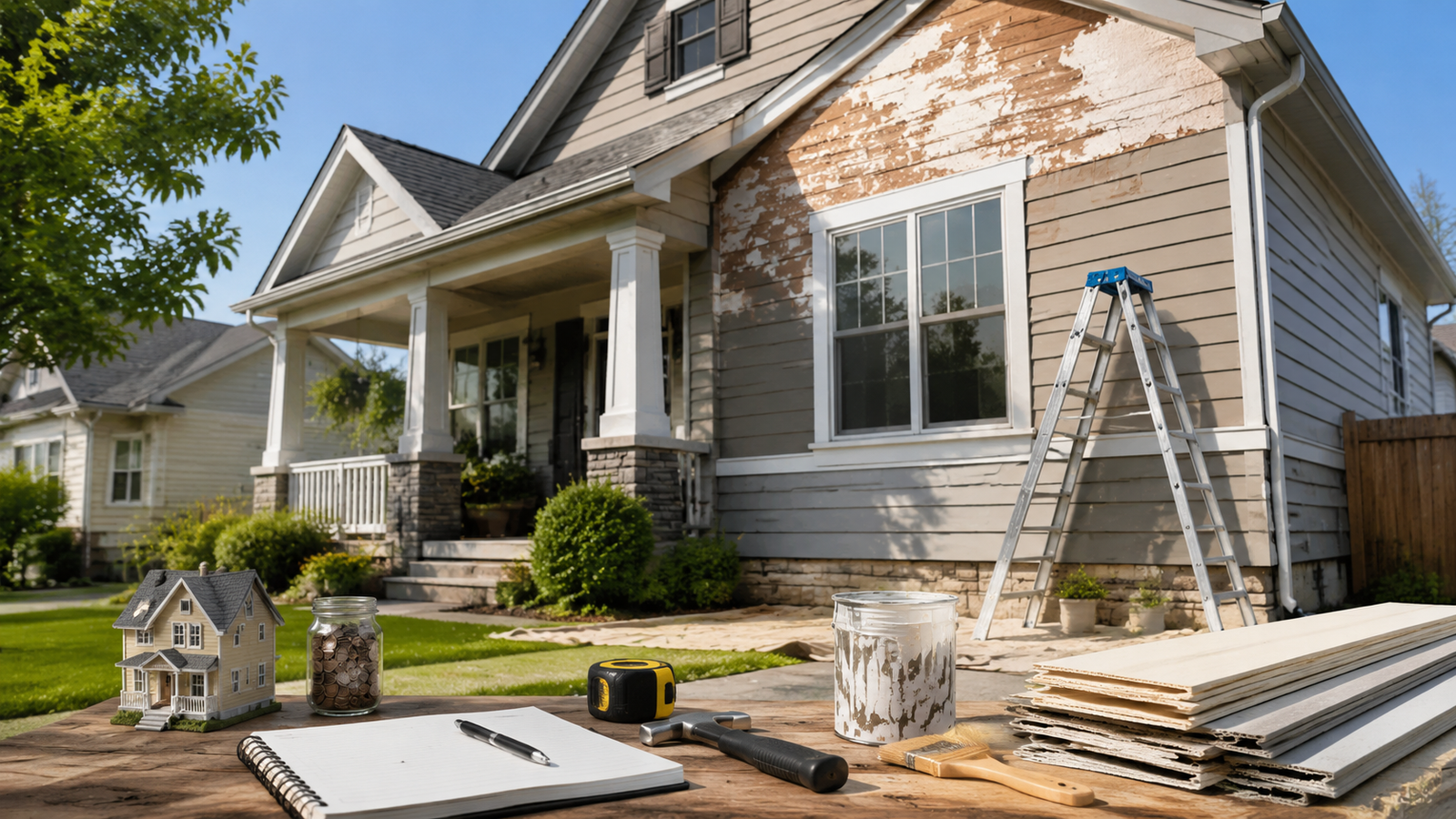
Maintaining the exterior of your home is essential for both curb appeal and long-term durability, but it can be challenging when working with a limited budget. Prioritizing repairs, understanding costs, and making strategic decisions can help you stretch your dollars further while still addressing the most pressing issues. By focusing on the most urgent repairs first and seeking out cost-effective solutions, you can protect your investment and avoid more expensive problems down the road. With careful planning and a clear understanding of your needs, it is possible to achieve meaningful improvements without overspending.
What to Expect When Planning Repairs
Assessing Your Home’s Exterior Needs
The first step in planning exterior repairs on a limited budget is to thoroughly assess the current condition of your home’s exterior. Walk around your property and take note of any visible damage, such as peeling paint, cracked siding, damaged gutters, or missing shingles. Pay close attention to areas that are most exposed to the elements, as these are often the first to show signs of wear. It is important to distinguish between cosmetic issues and those that could lead to more serious problems if left unaddressed. For example, a small crack in the foundation or a leaking gutter can quickly escalate into larger, more expensive repairs if not dealt with promptly. By creating a detailed list of needed repairs, you can begin to prioritize which projects require immediate attention and which can be scheduled for a later date. This assessment will serve as the foundation for your repair plan and help you allocate your budget more effectively.
Setting Priorities and Budgeting
Once you have identified the necessary repairs, the next step is to set priorities based on urgency and potential impact. Structural issues, water damage, and safety hazards should always take precedence over purely aesthetic concerns. For instance, addressing a leaking roof or broken window is more critical than repainting the front door. After establishing your priorities, research the average costs associated with each type of repair in your area. This will give you a realistic sense of what to expect and help you avoid surprises. If you are considering a gutter install in ashland, be sure to compare quotes from several local contractors to find the most affordable option that still meets your quality standards. Creating a detailed budget that includes both materials and labor will allow you to plan your spending and avoid overspending on less important projects. Remember to set aside a small contingency fund for unexpected expenses that may arise during the repair process.
Finding Affordable Materials and Labor
Sourcing affordable materials and labor is a crucial part of staying within your budget when planning exterior repairs. Start by researching local suppliers and home improvement stores to compare prices on materials such as siding, paint, roofing shingles, and hardware. Many stores offer discounts on bulk purchases or during seasonal sales, so timing your purchases can lead to significant savings. When it comes to labor, consider reaching out to local contractors for quotes and ask for references to ensure quality work. Some homeowners choose to tackle smaller repairs themselves to save on labor costs, but it is important to be realistic about your skills and the complexity of the project. For larger or more technical repairs, hiring a professional is often the safer and more cost-effective choice in the long run. Additionally, some community organizations and local government programs offer assistance or grants for essential home repairs, particularly for low-income homeowners. Taking the time to explore these options can help you stretch your budget further and ensure that your home remains safe and well-maintained.
Quick Tips for Saving Money
One effective way to save money on exterior repairs is to plan projects during the off-season when contractors may offer lower rates. Shopping for materials during sales or using reclaimed items can also reduce costs. Always get multiple quotes before hiring a contractor to ensure you are getting a fair price for the work.
Scheduling Repairs for Maximum Efficiency
Timing and organization play a significant role in maximizing the efficiency of your exterior repair projects. Once you have established your priorities and budget, create a timeline that outlines when each repair will be completed. Consider the weather and seasonality, as certain repairs, such as painting or roofing, are best done during dry, mild weather. Grouping similar projects together can also help reduce costs, as contractors may offer discounts for bundling services. For example, if you need both gutter and siding repairs, scheduling them at the same time can minimize labor charges and reduce the overall disruption to your daily routine. Keep track of your progress and adjust your schedule as needed to accommodate any unexpected delays or changes in your budget. Staying organized and proactive will help ensure that your repairs are completed efficiently and within your financial constraints.
Maintaining Your Home After Repairs
After completing your exterior repairs, ongoing maintenance is key to protecting your investment and preventing future issues. Regularly inspect your home’s exterior for signs of damage or wear, especially after severe weather. Clean gutters, trim overgrown vegetation, and touch up paint as needed to keep your home looking its best. Addressing minor issues promptly can help you avoid more costly repairs down the line. Establishing a routine maintenance schedule will make it easier to stay on top of necessary tasks and ensure that your home remains in good condition for years to come. By taking a proactive approach to maintenance, you can extend the life of your repairs and continue to enjoy the benefits of a well-maintained exterior without straining your budget.
Conclusion
Planning exterior repairs on a limited budget requires careful assessment, prioritization, and resourcefulness. By identifying the most urgent needs, setting a realistic budget, and seeking out affordable materials and labor, you can make meaningful improvements to your home’s exterior without overspending. Scheduling repairs efficiently and maintaining your home after the work is done will help you protect your investment and avoid more costly problems in the future. With thoughtful planning and a commitment to regular upkeep, it is possible to achieve a safe, attractive, and durable home exterior even when working within financial constraints.