

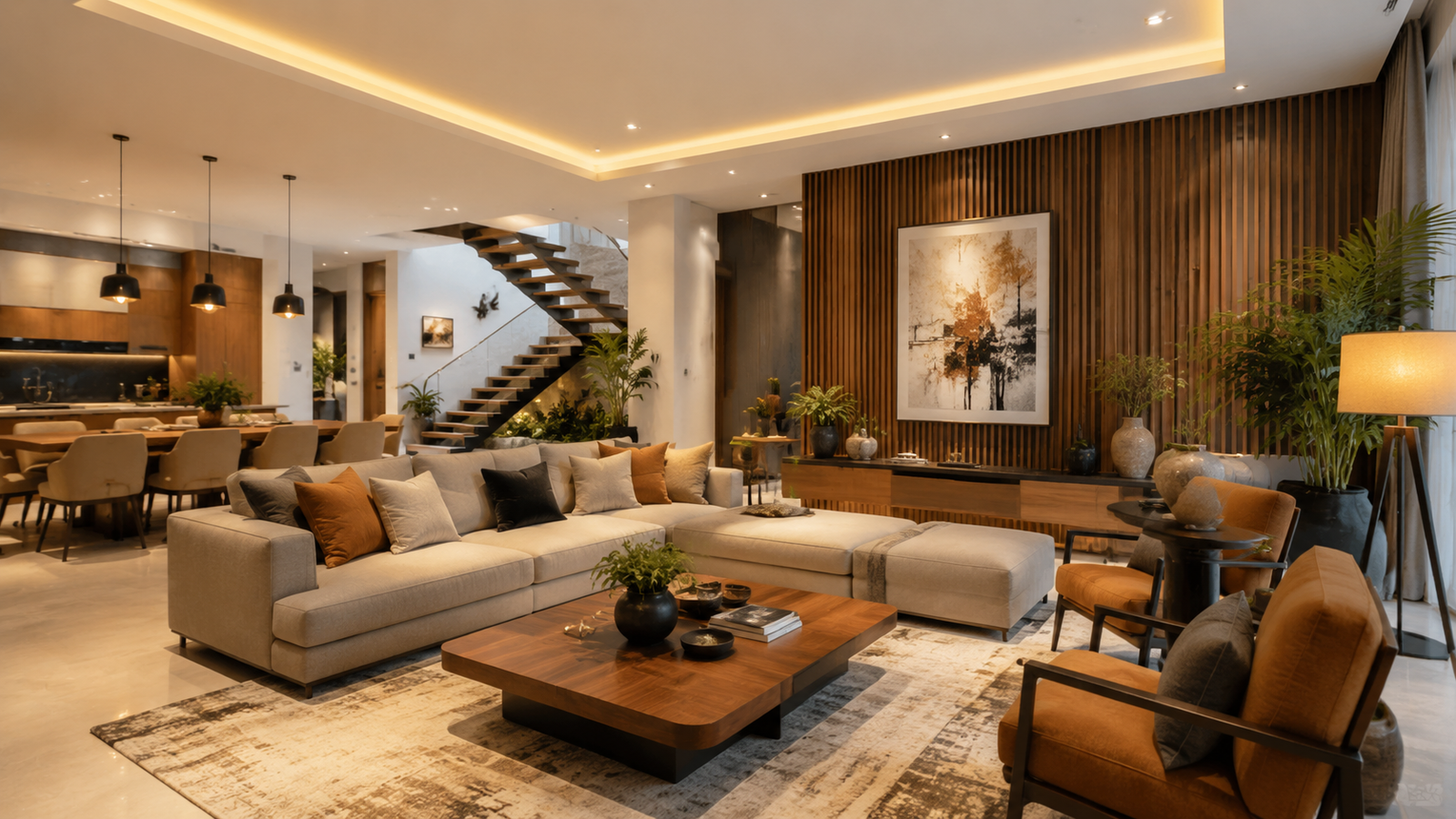
Interior design drhomey is all about creating homes that are comfortable, practical, and visually appealing. Unlike traditional designs that focus mainly on looks, drhomey emphasizes how people actually live in a space. It considers daily routines, comfort, and personal style to make each room both useful and inviting. By blending aesthetics with functionality, interior design drhomey ensures that every area of the home works for the people living in it.
This approach also focuses on the emotional feel of a space. Colors, lighting, textures, and furniture placement are all chosen to create harmony and calm. Whether it’s a small apartment or a large home, interior design drhomey makes spaces feel welcoming and well-organized. The goal is to make a home that is not just stylish but also supports daily life comfortably and efficiently.
The Philosophy Behind Interior Design DrHomey
The philosophy of interior design drhomey centers on balance. It aims to combine beauty with practicality so that every design decision improves both function and aesthetics. Spaces are carefully planned to suit how people move, work, and relax. This means furniture, lighting, and décor are chosen not just for looks but for their usefulness and durability, creating homes that are both elegant and livable.
Another key part of the philosophy is personalization. Homes should reflect the people living in them. Interior design drhomey encourages homeowners to incorporate elements that tell their story, from favorite colors and materials to personal artwork and meaningful objects. Emotional comfort, adaptability, and long-lasting choices are always part of the design process, ensuring that homes remain enjoyable for years.
Key Principles of Interior Design DrHomey
Functionality is the first principle in interior design drhomey. Each room is planned with its main use in mind, so furniture and décor support daily activities. Clutter is avoided, and storage solutions are integrated into the design, keeping the space organized and pleasant. Materials are chosen for their durability and comfort, ensuring the home remains practical while looking attractive.
The second principle focuses on emotional comfort. Lighting, color, and texture all influence how a space feels. Designers create environments that evoke calm and happiness, using neutral tones with subtle accents, soft fabrics, and balanced layouts. Adaptability is also important, allowing homes to change as needs and lifestyles evolve over time.
The Design Process of Interior Design DrHomey
Designing a home with drhomey principles begins with understanding how people live in their space. Designers observe daily routines, lighting patterns, storage requirements, and movement throughout the home. This helps to plan layouts that make rooms functional and comfortable, ensuring that every inch is used effectively.
Next comes concept development, where designers create mood boards, select materials, and visualize layouts. The goal is to match the homeowner’s preferences with practical solutions. Implementation focuses on proper furniture placement, lighting, color schemes, and finishes. Each element is chosen to create harmony, comfort, and usability in every room.
Popular Styles in Interior Design DrHomey
Drhomey design can work with many interior styles while keeping its focus on comfort and function. Modern minimalist designs use clean lines, neutral colors, and uncluttered spaces to create simplicity and calm. Furniture and décor are carefully selected to combine beauty with practicality, resulting in serene and efficient interiors.
Scandinavian styles are also popular, blending light wood, soft textiles, and muted colors for warmth and comfort. Transitional designs mix traditional and modern elements to achieve a timeless look. Even eclectic spaces can follow drhomey principles by arranging personal items intentionally, creating a home that feels curated and meaningful rather than chaotic.
Room-Specific Approaches in Interior Design DrHomey
Living rooms in drhomey design are arranged to support conversation, relaxation, and movement. Seating is functional yet stylish, and lighting is layered to suit different activities. Colors and textures are balanced to add interest without overwhelming the senses, creating spaces that feel inviting and comfortable.
Bedrooms emphasize rest and tranquility. Soft colors, comfortable textiles, and careful lighting choices create a calm atmosphere. Storage is integrated to reduce clutter, and personal touches reflect the homeowner’s personality. Kitchens and dining areas focus on efficiency and ease of use, with practical layouts, durable materials, and well-planned lighting, ensuring that every room functions well and looks appealing.
Color, Materials, and Lighting in Interior Design DrHomey
Color is carefully selected in drhomey design to create harmony and calm. Neutral tones often dominate walls and large surfaces, while accents are added through décor and textiles. Materials are chosen for their durability and feel, combining natural elements like wood and stone with soft fabrics to add warmth.
Lighting is layered to create versatile and comfortable spaces. Ambient lighting provides general illumination, task lighting supports work areas, and accent lighting highlights décor or architectural features. Natural light is maximized, and reflective surfaces enhance brightness, making rooms feel open, balanced, and pleasant.
Sustainable and Practical Design in Interior Design DrHomey
Sustainability is important in drhomey design. Durable furniture, eco-friendly materials, and energy-efficient lighting are commonly used to reduce environmental impact. Homes are designed to last, with flexible layouts and multipurpose furniture that adapt to changing needs.
Practicality is key. Projects are planned carefully to make the most of available budgets, and DIY-friendly solutions are often integrated. This combination of sustainability and practicality ensures that homes remain comfortable, functional, and environmentally responsible over time, aligning with the philosophy of interior design drhomey.
Conclusion
Interior design drhomey is a thoughtful approach that blends aesthetics, function, and personalization. By focusing on how people live, designers create spaces that are comfortable, efficient, and emotionally supportive. From careful color choices and lighting to practical layouts and durable materials, every element contributes to a home that is both beautiful and livable.
This style works for any home, whether small or large, traditional or modern. It allows homeowners to create spaces that reflect their personality, meet their needs, and remain functional over time. Interior design drhomey proves that thoughtful planning, comfort, and style can coexist, resulting in homes that truly feel like home.