

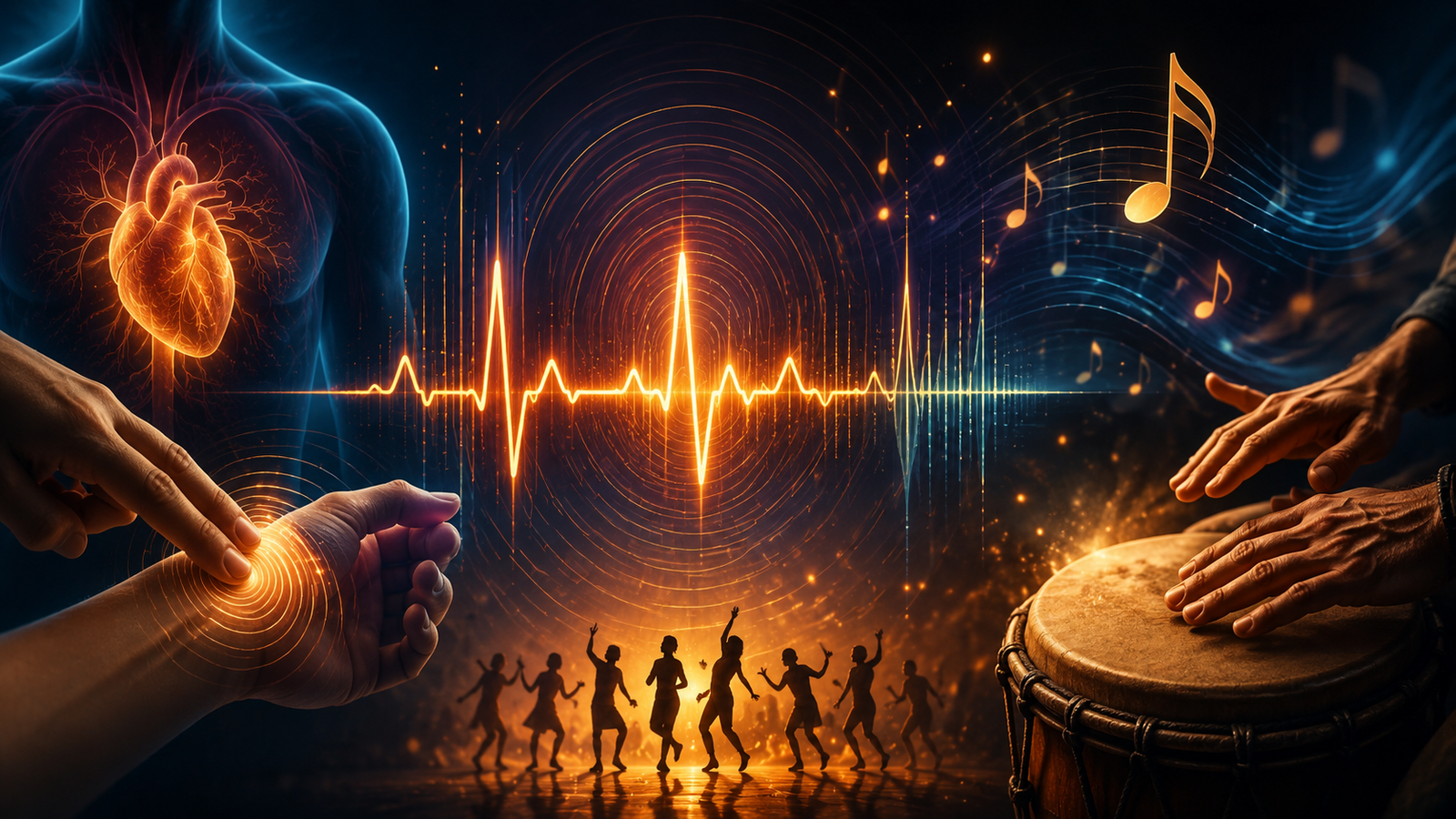
Pulsamento is a concept that connects rhythm, music, and natural human timing in a single flowing idea. In simple understanding, pulsamento meaning refers to a steady internal pulse that guides sound, movement, and musical structure. It is often described as the invisible heartbeat of music, where rhythm rhythm pulsamento is formed through consistent timing and repetition. This idea is not limited to music only but also reflects patterns found in nature, biology, and human behavior.
In music theory and performance, music music pulsamento is essential because it creates the foundation on which rhythm is built. Without a stable pulse, sound becomes irregular and loses structure. The concept of rhythmic heartbeat rhythmic heartbeat pulsamento shows how closely human life is connected with musical timing, while rhythmic pulse rhythmic pulse pulsamento explains how repeated beats create emotional and physical response in listeners.
Pulsamento Definition and Core Meaning
The pulsamento definition can be described as a continuous and steady rhythmic pulse that acts as the base of musical timing. It is the consistent beat that supports rhythm, tempo, and flow in music. Pulsamento meaning is often explained as the internal “heartbeat” that musicians follow to stay synchronized while performing.
In deeper understanding, pulsamento is not just a musical tool but a structural principle. It organizes sound into patterns, allowing rhythm rhythm pulsamento to remain stable and meaningful. Whether in classical compositions or modern electronic music, the presence of a strong pulse ensures that all elements remain connected and balanced.
Pulsamento in Music and Sound Structure
In music music pulsamento, the role of pulse is fundamental because it defines how sound is measured and experienced. Every musical piece relies on a steady beat that acts as a reference point for rhythm and timing. This pulse allows musicians to coordinate with each other and maintain harmony in performance.
Rhythm rhythm pulsamento becomes more meaningful when there is a clear underlying structure. The pulsamento provides this structure, ensuring that variations in melody and rhythm do not break the flow. It is the hidden framework that holds all musical elements together, even when the rhythm becomes complex or syncopated.
Rhythmic Heartbeat Rhythmic Heartbeat Pulsamento in Human Experience
The idea of rhythmic heartbeat rhythmic heartbeat pulsamento connects music directly with the human body. The heart naturally beats in a consistent rhythm, and this biological pattern is similar to musical pulsamento. This is why humans instinctively respond to rhythm in music, as it mirrors internal bodily processes.
This connection also explains why music can influence emotions so strongly. When the rhythmic heartbeat aligns with external sound, it creates emotional balance and psychological comfort. Pulsamento becomes a bridge between physical life and artistic expression, making music feel alive and deeply human.
Rhythmic Pulse Rhythmic Pulse Pulsamento in Nature and Sound
Rhythmic pulse rhythmic pulse pulsamento is not limited to music alone; it is also found in natural systems. Nature operates in repeating cycles such as day and night, ocean waves, and seasonal changes. These repeating patterns resemble musical pulses that create structure and harmony in the environment.
In sound, rhythmic pulse helps define how we perceive timing and movement. Even in silence, the brain can imagine pulsamento because it is naturally trained to detect patterns. This makes pulsamento a universal principle that exists in both external nature and internal human perception.
Rhythm Rhythm Pulsamento and Musical Timing
Rhythm rhythm pulsamento is the combination of pattern and pulse working together. While rhythm refers to the arrangement of notes and beats, pulsamento provides the steady foundation that keeps these patterns organized. Without pulsamento, rhythm would lose direction and become unstable.
Musicians rely on this concept when performing, especially in group settings. The shared pulsamento ensures that all performers stay in sync, even when playing different notes or instruments. This shared timing is what makes music sound unified and structured rather than chaotic.
Music Music Pulsamento in Modern and Traditional Styles
Music music pulsamento appears in almost every musical tradition across the world. In traditional music, it is often expressed through drums, clapping, or repetitive instruments that maintain steady timing. In modern music, digital beats and metronomes perform the same role by keeping consistent pulse.
This concept is especially important in genres like classical, jazz, electronic, and folk music. Each style uses pulsamento differently, but the core idea remains the same: a steady pulse that guides rhythm and structure. Without it, musical expression would lose clarity and coherence.
Pulsamento Meaning in Emotional and Psychological Response
Pulsamento meaning also extends into psychology and emotional response. Humans naturally react to rhythm because the brain is designed to detect patterns. When pulsamento is present in music, it creates emotional engagement and helps listeners feel connected to the sound.
This is why rhythmic music is often used in therapy, exercise, and relaxation. The steady pulse helps regulate breathing, reduce stress, and improve focus. The connection between rhythmic heartbeat rhythmic heartbeat pulsamento and human emotion shows how deeply music influences mental states.
Pulsamento in Dance and Physical Movement
In dance, pulsamento plays a central role in timing and coordination. Dancers use the steady pulse to align their movements with music, ensuring smooth transitions and synchronized steps. Without pulsamento, choreography would lose its structure and rhythm.
Different dance styles rely heavily on rhythmic pulse rhythmic pulse pulsamento to create flow and energy. Whether in traditional cultural dances or modern performance styles, the pulse guides every movement and expression, making dance a physical interpretation of music.
Rhythm Rhythm Pulsamento in Cultural Music Traditions
Across cultures, rhythm rhythm pulsamento has been used for centuries as the foundation of musical identity. Many traditional music forms depend on repetitive rhythmic structures that create community participation and emotional expression.
In African, Latin American, and Asian music traditions, pulsamento is often created using drums and percussive instruments. These instruments maintain a strong rhythmic base that allows singers and dancers to build expressive layers on top of the pulse.
Musical Creativity and Advanced Use of Pulsamento
In advanced music composition, pulsamento is not just maintained but also creatively manipulated. Musicians may change tempo, shift accents, or create syncopation while still maintaining an underlying pulse. This adds complexity and emotional depth to music.
Modern producers often experiment with music music pulsamento by layering different rhythmic structures over a single pulse. This creates rich textures and dynamic soundscapes while keeping the composition organized and coherent.
Conclusion
Pulsamento is a powerful concept that connects music, rhythm, nature, and human biology into one unified idea. It represents the steady pulse that supports rhythm rhythm pulsamento, guides music music pulsamento, and reflects the natural flow of life itself. Through rhythmic heartbeat rhythmic heartbeat pulsamento and rhythmic pulse rhythmic pulse pulsamento, we understand how deeply humans are connected to timing and movement.
From traditional music to modern digital production, pulsamento meaning remains essential for creating structure, emotion, and harmony. It is the invisible force that keeps music alive, organized, and emotionally powerful, making it one of the most fundamental concepts in rhythm and sound.