

Introduction to Severna Dakota
The keyword “Severna Dakota” has recently become popular on search engines, social media platforms, and multilingual websites. Many people searching online become confused because the term sounds unfamiliar in English, leading them to believe it may refer to a hidden country, a secret territory, or a completely different place somewhere in Europe or North America. In reality, Severna Dakota is simply the translated form of “North Dakota” used in several Slavic languages. The word “Severna” means “Northern,” while “Dakota” remains unchanged, creating the direct translation “Northern Dakota” or North Dakota in English. This linguistic variation has caused a significant rise in online curiosity and international search traffic.
Although the phrase sounds unique, it refers to the same American state located in the Upper Midwest region of the United States. North Dakota is widely known for its enormous open plains, cold winters, agricultural economy, energy production, Native American heritage, and peaceful small-town communities. Over time, translated geographic names have become more visible online because websites optimize content for global audiences. As a result, terms like Severna Dakota now appear in articles, blogs, search engines, and travel discussions across different languages and regions worldwide.
Meaning of Severna Dakota
The meaning of Severna Dakota is directly connected to Slavic language traditions. In several Eastern European and Balkan languages, the word “Severna” translates to “Northern” in English. When combined with Dakota, the phrase becomes “Northern Dakota,” which is the equivalent of North Dakota in English-speaking countries. Similar translation structures exist for many locations around the world, where place names are adapted according to grammar, pronunciation, and regional language rules.
This translation process is completely normal in global communication and international geography. Many countries and states have different names depending on the language being spoken. For example, Germany becomes Deutschland in German, Spain becomes España in Spanish, and North Korea is often translated into similar Slavic forms. Because the internet allows people from multiple countries to search in their native languages, translated terms such as Severna Dakota naturally gain popularity online and create curiosity among English-speaking audiences.
Geographic Location of Severna Dakota
Severna Dakota, or North Dakota, is located in the northern central region of the United States. The state shares an international border with Canada to the north, while Montana lies to the west, South Dakota to the south, and Minnesota to the east. Its location within the Great Plains region gives the state its famous wide-open landscapes, rolling grasslands, and massive agricultural fields. The area is known for low population density, peaceful scenery, and strong rural traditions that continue shaping daily life.
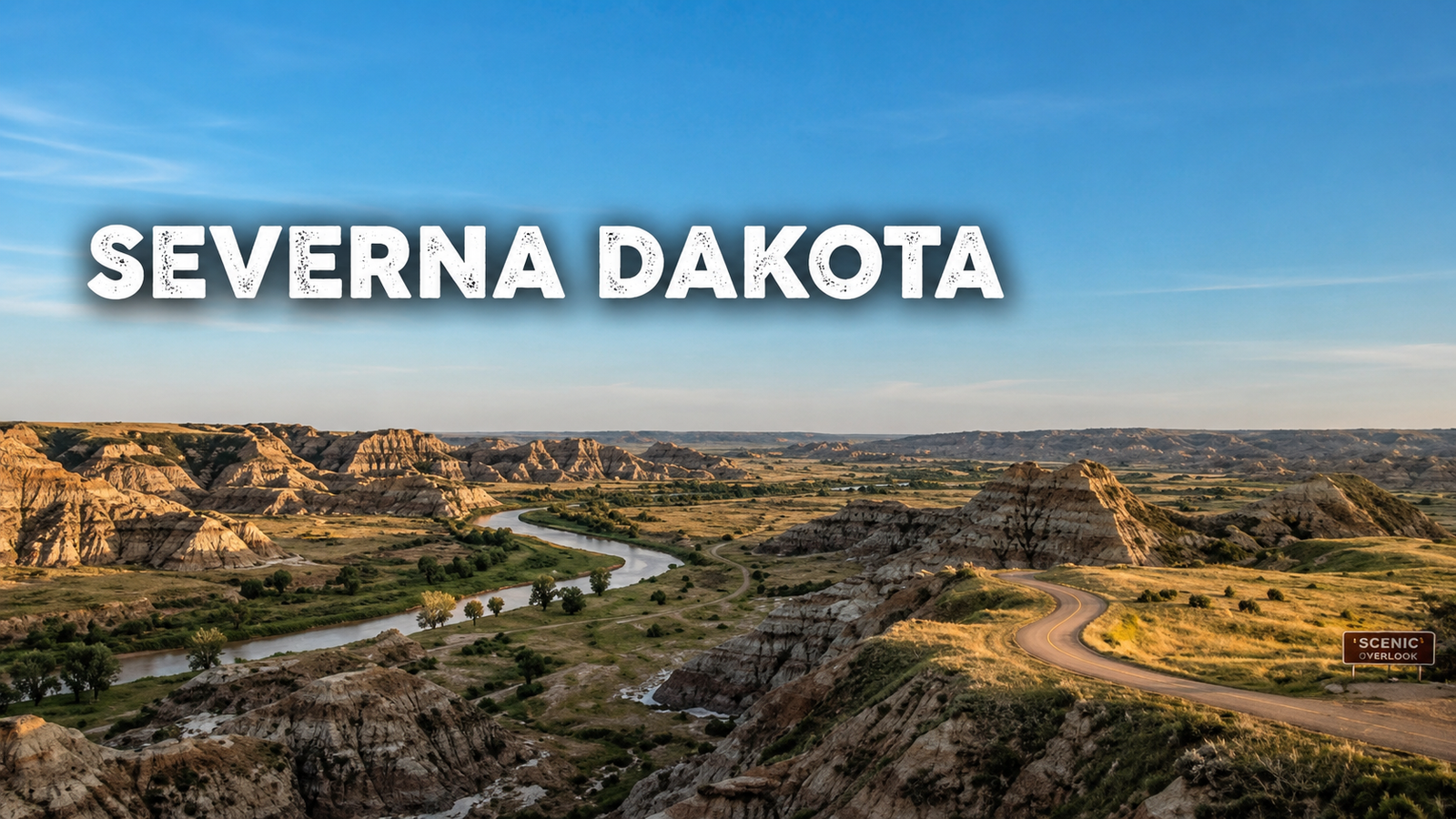
The geography of Severna Dakota plays a major role in the state’s economy, climate, and cultural identity. Much of the land consists of flat plains and fertile farmland, making it one of America’s leading agricultural regions. Rivers, valleys, and prairie ecosystems spread across the landscape, creating natural beauty that attracts visitors interested in outdoor recreation and nature tourism. The western portion of the state includes rugged Badlands formations, while the eastern side contains some of the richest farming soil in North America.
Historical Background of Severna Dakota
The history of Severna Dakota begins long before European settlers arrived in North America. Indigenous tribes lived in the region for thousands of years, developing strong cultural traditions, trade systems, and spiritual connections to the land. Among the most influential Native American groups were the Dakota Sioux people, whose name eventually became associated with the region itself. The word “Dakota” is often interpreted as meaning friend or ally, reflecting important cultural values among Indigenous communities.
During the nineteenth century, westward expansion dramatically changed the region. European settlers, railroad companies, and farming communities began moving into the area, transforming the plains into agricultural settlements. Railroads connected small towns to larger markets, encouraging economic development and population growth. In 1889, North Dakota officially became a state in the United States. Since then, the state has developed into an important agricultural and energy-producing region while still preserving much of its rural character and historical heritage.
Climate and Weather in Severna Dakota
The climate of Severna Dakota is one of the most recognizable features of the state. Winters are extremely cold and often include heavy snowfall, freezing winds, icy roads, and long periods of below-freezing temperatures. Because the state lies far north and lacks major mountain barriers, cold Arctic air frequently moves across the plains during winter months. Snowstorms and blizzards can sometimes become severe enough to affect transportation, schools, and farming operations throughout rural communities.
Summer brings a completely different environment with warm temperatures, longer daylight hours, and favorable farming conditions. Crops grow rapidly during the warmer months, helping support the state’s agricultural economy. Spring and autumn are shorter transitional seasons that bring dramatic weather changes, colorful landscapes, and harvest activity across farming regions. The contrast between severe winters and productive summers creates a unique lifestyle that strongly influences how residents work, travel, and prepare for changing seasons throughout the year.
Agriculture in Severna Dakota
Agriculture has always been the foundation of Severna Dakota’s economy and identity. The state’s fertile soil, open land, and favorable growing conditions make it one of the leading agricultural producers in the United States. Farmers grow large quantities of wheat, corn, soybeans, barley, oats, and sunflowers across enormous farming areas. Ranching and livestock production also contribute significantly to the rural economy, especially in western regions where grazing land stretches across the plains.
Modern agricultural technology has transformed farming in the state over recent decades. Advanced machinery, irrigation systems, precision farming tools, and scientific crop management techniques help farmers increase production while improving efficiency. Despite technological progress, agriculture in Severna Dakota still reflects traditional rural values and strong community connections. Farming families often pass land and agricultural knowledge through multiple generations, maintaining a deep connection to the region’s history and economic development.
Oil and Energy Industry in Severna Dakota
One of the most important economic developments in Severna Dakota occurred through the growth of the oil and energy industry. The discovery and expansion of oil extraction in the Bakken shale formation transformed the state’s economy and brought international attention to North Dakota. Oil production created thousands of jobs, increased state revenue, and encouraged rapid infrastructure development in many communities throughout western regions of the state.
The energy sector also brought challenges, including housing shortages, environmental concerns, and rapid population growth in small towns. Despite these issues, oil remains one of the strongest economic drivers in the state today. In addition to fossil fuels, Severna Dakota has also invested in renewable energy sources such as wind power. The state’s open plains and strong winds make it an ideal location for large wind farms, helping diversify the energy economy while supporting future sustainability efforts.
Major Cities in Severna Dakota
Although Severna Dakota is largely rural, several cities serve as important centers for education, business, healthcare, and government. Fargo is the largest city and is considered the economic hub of the state. It contains universities, technology companies, healthcare facilities, shopping centers, and entertainment venues that attract residents from across the region. Fargo has experienced steady population growth and increasing business development over recent years.
Bismarck, the state capital, serves as the center of government and political activity. Grand Forks is another important city known for education and research, particularly because of the University of North Dakota. Minot plays a major role in agriculture, transportation, and military operations due to its nearby Air Force base. While these cities continue growing, they still maintain a quieter atmosphere compared to major metropolitan areas in other parts of the United States.
Culture and Traditions of Severna Dakota
The culture of Severna Dakota reflects a combination of Native American heritage, Midwestern values, immigrant traditions, and agricultural history. Scandinavian and German immigrants significantly influenced the region’s food, architecture, festivals, and community traditions during the settlement era. Today, many local celebrations still include cultural dances, traditional foods, and events connected to farming life and seasonal harvests.
Native American traditions also remain deeply important throughout the state. Powwows, tribal events, art, storytelling, and spiritual practices continue preserving Indigenous heritage and identity. Rural communities often emphasize strong family relationships, local cooperation, and neighborly support. This cultural atmosphere creates a slower-paced lifestyle focused on community involvement, outdoor living, and maintaining local traditions passed down across generations.
Tourism and Natural Attractions in Severna Dakota
Tourism in Severna Dakota focuses heavily on natural beauty, outdoor recreation, and historical exploration. Theodore Roosevelt National Park is one of the state’s most famous attractions and features stunning Badlands scenery, wildlife, hiking trails, and panoramic landscapes. Visitors frequently explore the park to experience the rugged beauty that once inspired President Theodore Roosevelt during his time in the region.
Outdoor activities play a major role in tourism across the state. Fishing, hunting, camping, hiking, wildlife photography, and road trips attract travelers seeking peaceful natural experiences away from crowded tourist destinations. Historical museums, Native American cultural sites, pioneer villages, and railroad landmarks also provide insight into the state’s past. Unlike large urban tourism centers, Severna Dakota offers visitors a quieter and more nature-focused travel experience.
Education System in Severna Dakota
Education is highly valued throughout Severna Dakota, particularly because rural communities depend on skilled workers, agricultural research, and technological innovation. Schools across the state emphasize practical education, community involvement, and career development. Despite the state’s relatively small population, educational institutions maintain strong academic standards and contribute significantly to scientific and agricultural advancement.
Higher education institutions such as the University of North Dakota and North Dakota State University play major roles in research and innovation. These universities are known for programs in aviation, engineering, healthcare, agriculture, and technology. Students from both the United States and other countries attend these institutions due to affordable tuition costs, research opportunities, and growing professional industries connected to the state’s economy.
Lifestyle and Daily Life in Severna Dakota
Life in Severna Dakota is generally quieter and slower compared to major American cities. Many residents enjoy peaceful neighborhoods, open spaces, and close community relationships. Rural towns often revolve around schools, churches, local businesses, and seasonal events that bring residents together. People frequently value hard work, family traditions, and outdoor activities as important parts of daily life.
The low population density creates a sense of space and privacy that many residents appreciate. Traffic congestion, overcrowding, and fast-paced urban stress are far less common than in large metropolitan regions. However, harsh winters and long travel distances between communities can present challenges for transportation and services. Despite these difficulties, many people choose to remain in Severna Dakota because of the strong sense of community and high quality of life.
Why the Keyword Severna Dakota Became Popular
The keyword Severna Dakota became popular primarily because of multilingual internet searches and search engine optimization trends. As websites attempt to reach international audiences, translated versions of geographic names appear more frequently in articles, blogs, and travel guides. This creates increased visibility for translated terms that may seem unusual to English-speaking readers unfamiliar with Slavic languages.
Social media platforms also contribute to the spread of translated geographic names. Users often share unfamiliar place names, causing curiosity and confusion among broader audiences. Search engines recognize growing interest in these terms and display more related content, which further increases visibility. As a result, many people now search for Severna Dakota to understand whether it is a real location, a translation, or a separate region entirely.
Economic Development and Future Growth
The future of Severna Dakota appears connected to energy production, agricultural innovation, renewable resources, and technological growth. Oil and gas development continue generating significant economic activity, while advances in farming technology help improve crop production and efficiency. Renewable energy projects, especially wind power, are also expanding across the state as demand for sustainable energy sources increases globally.
Population growth remains slower than in larger urban states, but economic opportunities continue attracting workers and businesses to certain regions. Investments in education, infrastructure, transportation, and technology may help diversify the economy further in coming years. At the same time, many residents hope to preserve the rural identity, natural beauty, and community-focused lifestyle that make Severna Dakota unique within the United States.
Conclusion
Severna Dakota may sound mysterious or unfamiliar at first, but it simply refers to North Dakota translated into several Slavic languages. The term has become increasingly popular online because of multilingual searches, translated content, and global internet communication. Despite the confusion surrounding the name, Severna Dakota remains the same American state known for its vast plains, harsh winters, agricultural strength, energy production, Native American heritage, and peaceful rural communities.
The state represents an important part of American history and culture while continuing to evolve through economic development and technological progress. From its farming traditions and oil industry to its national parks and quiet small towns, Severna Dakota offers a unique combination of natural beauty, historical significance, and modern opportunity. As translated geographic terms continue spreading across the internet, the curiosity surrounding Severna Dakota will likely continue growing among international audiences searching for information about this remarkable region of the United States.