

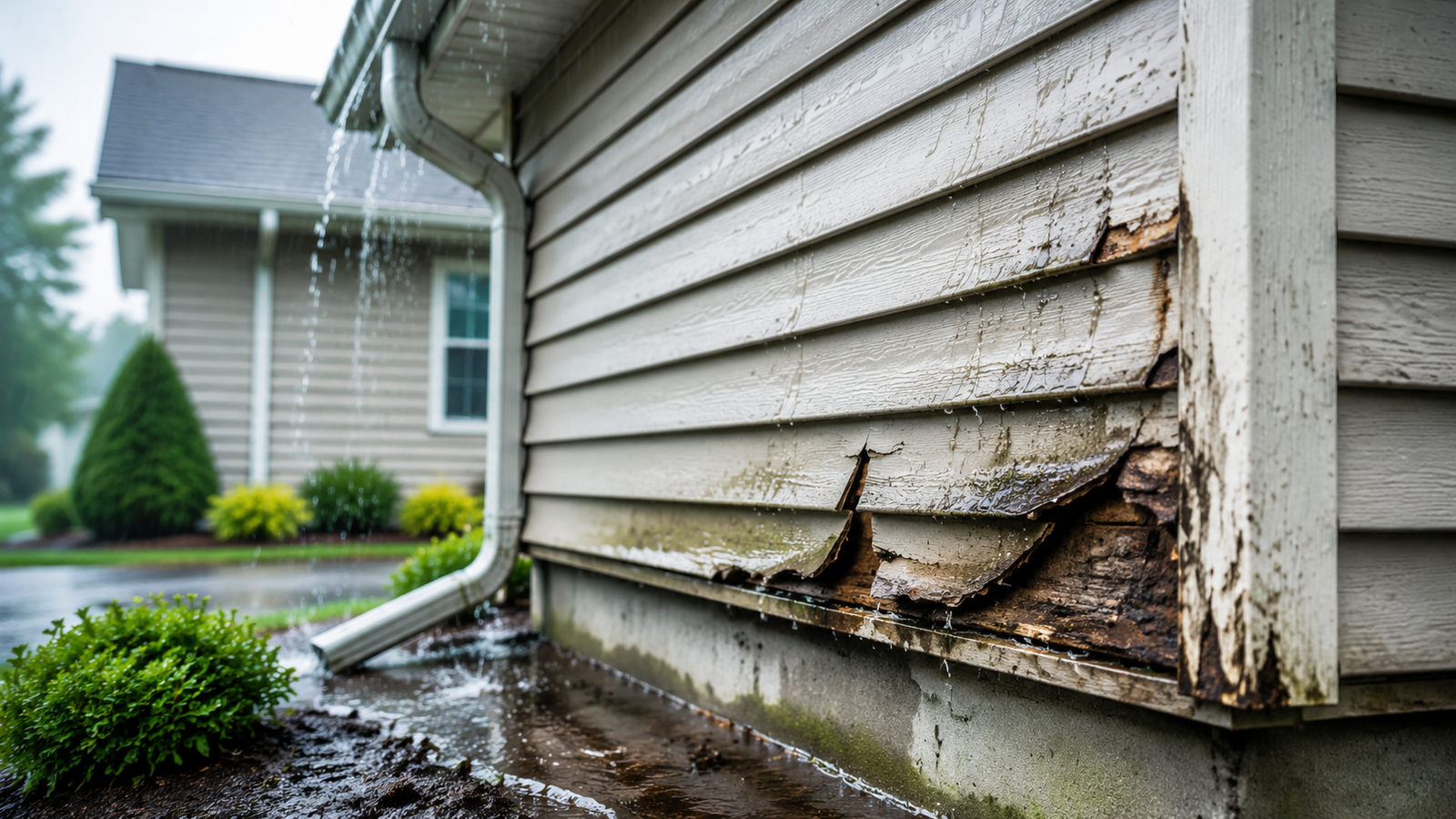
Homeowners often overlook the critical role that water flow plays in maintaining the integrity of their siding. When water is not properly directed away from a house, it can seep behind siding panels, leading to rot, mold, and structural issues that are both costly and time-consuming to repair. Even the most durable siding materials can succumb to persistent moisture exposure, especially in regions with heavy rainfall or snow. Understanding how water flow problems begin and escalate is essential for preventing siding damage and preserving your home’s value. Addressing these issues early can save significant money and hassle in the long run.
How Water Flow Issues Affect Siding
The Connection Between Water Flow and Siding Damage
Water flow problems are a leading cause of siding deterioration in residential properties. When rainwater or melting snow is not efficiently channeled away from the home, it often finds its way behind siding panels. This hidden moisture can linger for extended periods, creating the perfect environment for wood rot, mold growth, and even pest infestations. Over time, the structural integrity of the siding is compromised, leading to warping, cracking, and eventual failure. The initial signs of water-related siding damage are often subtle, such as slight discoloration or bubbling paint, but these can quickly escalate into more severe issues if not addressed promptly. Homeowners may not realize the extent of the problem until significant repairs are needed, making early detection and prevention crucial.
The Role of Gutters and Downspouts
Gutters and downspouts are the first line of defense against water flow problems that threaten your siding. Their primary function is to collect and redirect rainwater away from the foundation and exterior walls of your home. When gutters become clogged with leaves, debris, or ice, water can overflow and cascade down the sides of the house. This constant exposure to moisture can cause siding materials to deteriorate much faster than they would under normal conditions. In areas like Wichita, where seasonal storms and heavy rainfall are common, a proper gutter install in wichita can make a significant difference in protecting your home’s exterior. Regular maintenance, such as cleaning gutters and ensuring downspouts are clear, is essential for preventing water from pooling near the siding and causing long-term damage.
Common Signs of Water Flow Problems
Recognizing the early warning signs of water flow issues can help homeowners take action before siding damage becomes severe. One of the most noticeable indicators is water stains or streaks running down the exterior walls, which often signal that gutters are overflowing or not functioning correctly. Peeling paint, warped boards, and soft spots on the siding are also red flags that moisture is penetrating the protective barrier. In some cases, you may notice mold or mildew growth on the siding’s surface, which not only affects the appearance of your home but can also pose health risks to occupants. Another sign to watch for is soil erosion near the foundation, as this can indicate that water is not being properly diverted away from the house. Addressing these issues promptly can prevent more extensive and costly repairs down the line.
How Improper Grading Contributes to Siding Damage
The slope of the ground around your home, known as grading, plays a crucial role in directing water away from the foundation and siding. If the soil slopes toward the house instead of away from it, rainwater and melting snow can accumulate near the exterior walls. This pooling water increases the likelihood of moisture seeping behind the siding, leading to rot and mold growth. Over time, improper grading can also cause foundation problems, which may further exacerbate siding damage. Homeowners should regularly inspect the grading around their property and make adjustments as needed to ensure that water flows away from the house. Simple solutions, such as adding soil to create a gentle slope or installing drainage systems, can significantly reduce the risk of water-related siding issues.
The Impact of Seasonal Weather Patterns
In regions with distinct seasonal changes, such as Wichita, weather patterns can have a significant impact on water flow and siding health. Heavy spring rains, summer storms, and winter snowmelt all contribute to increased moisture levels around the home. During periods of heavy precipitation, gutters and downspouts are put to the test, and any weaknesses in the system can quickly become apparent. Ice dams in winter can also cause water to back up under the siding, leading to hidden damage that may not be discovered until the weather warms up. Homeowners should be especially vigilant during these times, inspecting their gutters, downspouts, and siding for signs of trouble. Taking proactive steps to address water flow issues before and after major weather events can help prevent costly repairs and extend the life of your siding.
Quick Tips for Preventing Water Flow Issues
Regular maintenance is key to preventing water flow problems that can damage your siding. Clean your gutters at least twice a year to remove leaves and debris, and check that downspouts are directing water at least several feet away from your home’s foundation. Inspect the grading around your house to ensure water flows away from the structure, and repair any low spots promptly. After heavy storms, walk around your home to look for signs of water pooling or streaks on the siding, and address any issues immediately to avoid long-term damage.
Conclusion
Siding damage caused by water flow problems is a common issue that can have serious consequences for homeowners if left unchecked. Proper water management, including functional gutters, downspouts, and grading, is essential for protecting your home’s exterior from moisture-related deterioration. By staying vigilant for early warning signs and performing regular maintenance, you can prevent water from seeping behind your siding and causing costly repairs. Seasonal weather changes and unexpected storms make it even more important to ensure your water management systems are in good working order. Taking these preventative measures not only preserves the appearance and value of your home but also provides peace of mind knowing that your siding is protected from the damaging effects of improper water flow.